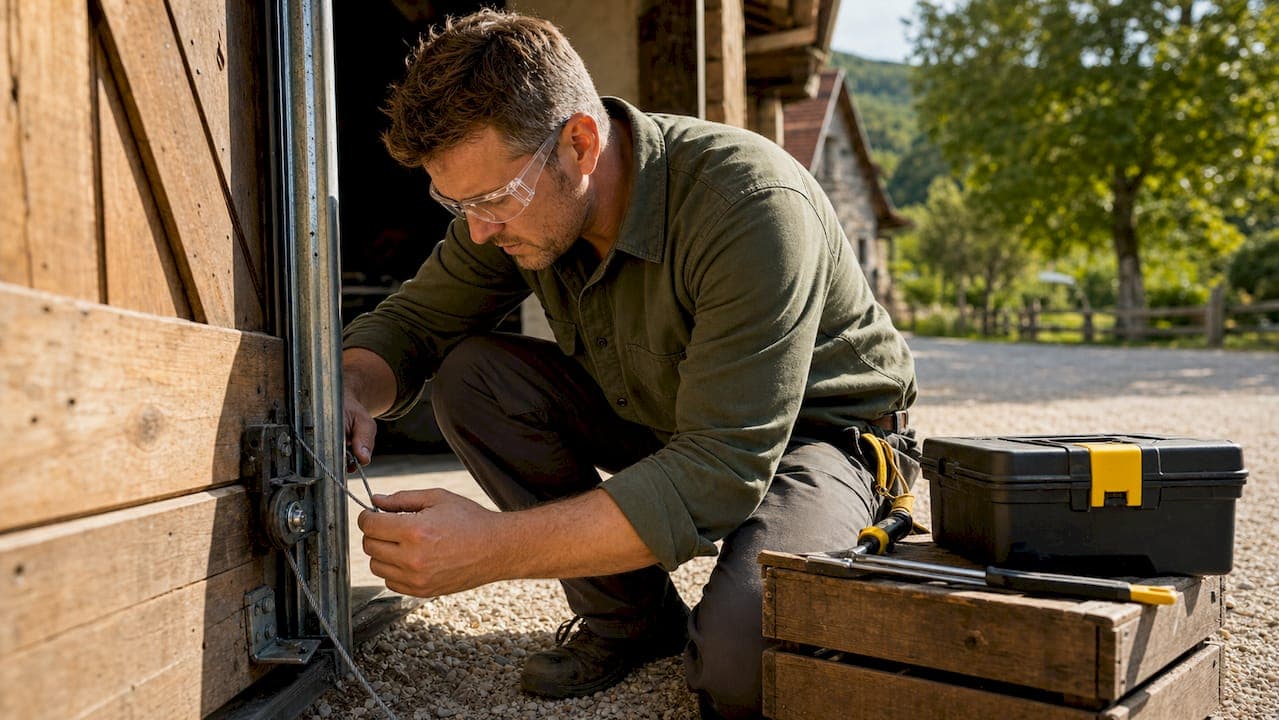
Professional installation is defined as trained specialists correctly setting up your garage door system to guarantee safety, performance, and lasting value. For homeowners and property managers in Loveland, Colorado, this distinction is not a formality. A garage door weighs up to 200 pounds and operates under extreme spring tension. One miscalibrated torsion spring or misaligned sensor can turn a routine open-close cycle into a safety emergency. Understanding why professional installation matters protects your investment, your warranty, and the people who use that door every day.
Why professional installation matters for garage door systems
Professional installation is the single most reliable predictor of how long your garage door system will perform without problems. Quality installation focuses more on engineering and precise tuning than on physical labor, and it is the main determinant of equipment lifespan. That means the difference between a door that runs quietly for 15 years and one that starts grinding and stalling after 18 months often comes down to who installed it.
Manufacturers design garage door systems with specific tolerances for spring tension, track alignment, and opener force settings. A certified technician reads and follows those specifications. Manufacturer instructions are often still sealed when technicians arrive for repairs on DIY jobs, which tells you exactly how often those steps get skipped. Skipping them does not just risk performance. It voids your warranty.
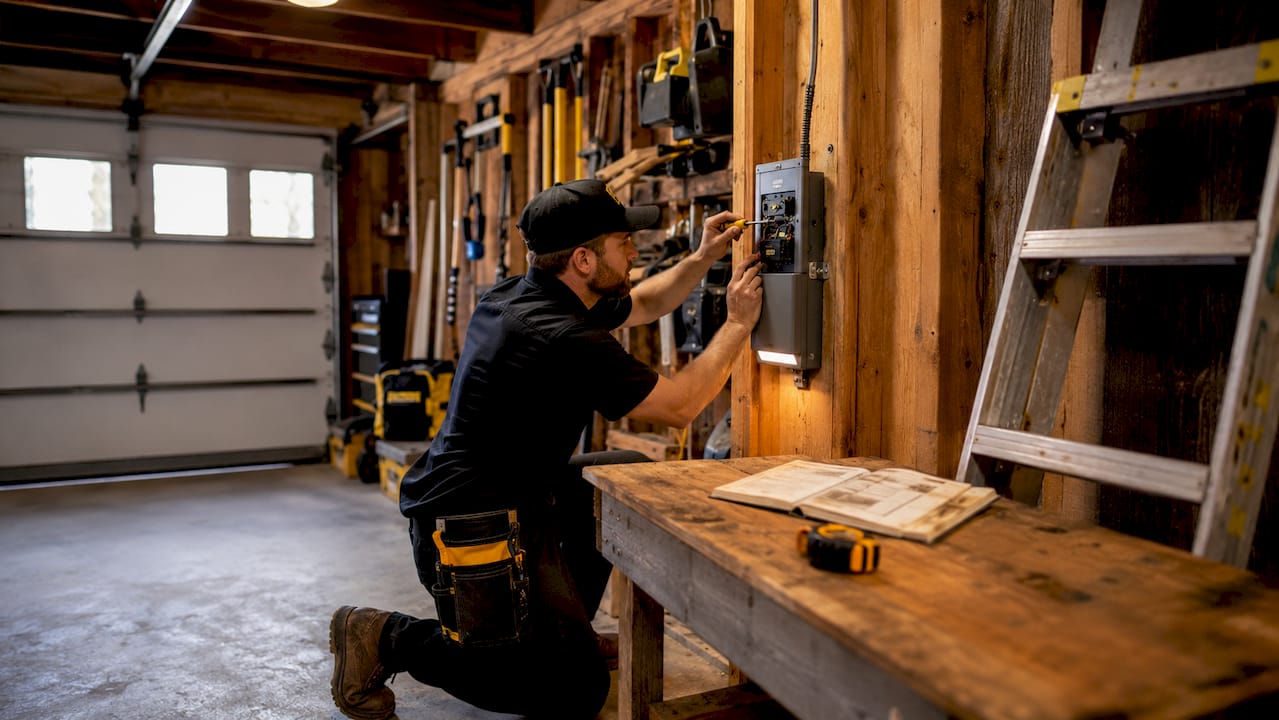
Garagedoorrepairsloveland technicians in Loveland follow manufacturer protocols on every job, from spring winding to limit switch calibration. That discipline is what backs the warranties they offer and what keeps callbacks rare.
What are the main risks of improper or DIY installation?
The risks of improper installation are rarely immediate. That is what makes them dangerous. Subtle installation defects cause slow-onset damage such as hidden misalignment, inadequate cable tension, or worn rollers that DIYers fail to catch until the door drops off its tracks or the opener burns out.
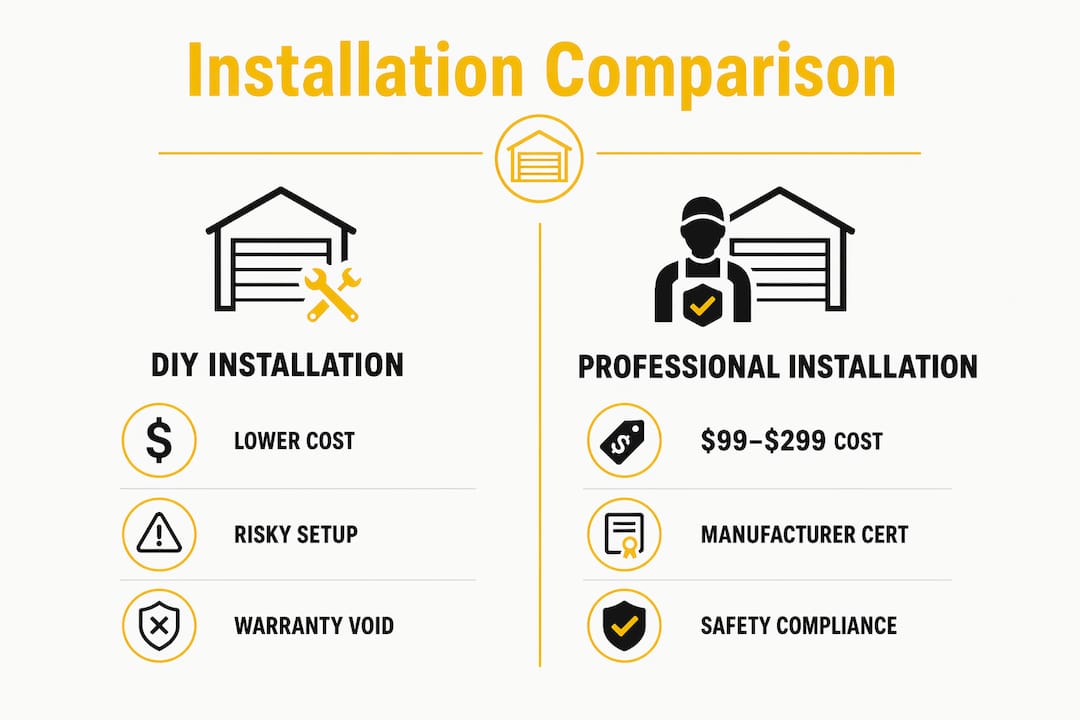
Here is a direct comparison of what you are actually choosing between:
| Factor | DIY Installation | Professional Installation |
|---|---|---|
| Upfront cost | Lower | $99–$299 typical fee range |
| Warranty status | Often voided | Maintained per manufacturer terms |
| Risk of early failure | High without calibration | Low with proper setup |
| Hidden damage potential | Leaks, misalignment, electrical faults | Caught and corrected at install |
| Long-term repair costs | Can exceed original install cost | Reduced through correct setup |
Improper installation can lead to early system failures, higher energy costs, and maintenance fees that exceed the initial installation cost by thousands. That number sounds dramatic until you price out a replacement opener, new cables, and a service call for a door that jumped its track at 6 a.m. on a Tuesday.
DIY attempts also commonly skip critical calibration steps. Garage door openers require force adjustment so the door reverses when it hits an obstruction. Without that setting, a door can close on a child, a pet, or a vehicle. That is not a hypothetical. It is the exact scenario that safety codes are written to prevent.
Pro Tip: Most homeowners overlook how a garage door integrates with your home's electrical system. Opener circuits, safety sensor wiring, and smart home connectivity all require correct voltage and grounding. If your panel is already near capacity, a professional will catch that before it becomes a fire hazard.
How does professional installation improve safety and compliance?
Safety compliance is not optional for garage door systems. Local building codes in Colorado require that automatic garage doors meet specific reversal and entrapment protection standards. A professional installer knows those codes and installs to meet them. A DIYer typically does not.
Safety checks during professional installation prevent legal liability and occupant injury, including proper cable routing, spring containment, and sensor alignment. Skipping these steps does not just risk injury. It creates liability. If a door injures someone and the installation was non-compliant, your homeowner's insurance may not cover the claim.
Here is what a trained technician verifies during a professional garage door installation:
- Spring tension calibration to match door weight and balance
- Track alignment and plumb check to prevent binding and wear
- Safety sensor positioning at the correct height and angle
- Opener force and travel limit settings for reversal compliance
- Manual release function tested for emergency use
- Electrical connections and grounding verified at the opener unit
- Weather seal and bottom seal fitted to prevent drafts and water intrusion
Each of these checks takes minutes for a trained technician. Each one skipped creates a failure point. Homeowners should assess whether installation alters building systems such as electrical or structural components to decide when professional service is non-negotiable. For garage doors, the answer is almost always yes.
What benefits does expert setup deliver for long-term performance?
A correctly installed garage door system does more than open and close reliably. It runs quieter, lasts longer, and costs less to maintain over its lifetime. Professional installers future-proof homes by running appropriate cabling and setting up scalable systems, making upgrades easier without disruption. That matters if you plan to add a smart opener, a keypad, or a connected home security system later.
Proper spring sizing is one of the most overlooked performance factors. A spring wound to the wrong tension forces the opener motor to work harder on every cycle. That shortens motor life and increases electricity use. A technician sizes the spring to the exact door weight, which means the opener barely works at all. The spring does the lifting. The motor just guides it.
Calibration also prevents short-cycling, which is when a door reverses before fully closing because the limit switch is set too tight. Short-cycling wastes energy, stresses the opener, and leaves your garage unsecured. A professional sets limits precisely on the first visit.
Pro Tip: When evaluating installer credentials, ask specifically whether the technician is trained on your opener brand. LiftMaster, Chamberlain, and Genie each have different force and travel adjustment procedures. A technician certified on your specific brand will set it up correctly the first time.
Good installers are accountable for performance and warranty support, providing peace of mind that a YouTube tutorial simply cannot match. That accountability is what you are paying for when you hire a professional.
When should you choose professional installation over DIY?
The decision between professional and DIY installation comes down to three factors: complexity, risk, and cost over time. For a simple shelf or curtain rod, DIY is fine. For a 200-pound door operating under high-tension springs connected to your home's electrical system, the calculation changes completely.
| Situation | DIY Appropriate? | Professional Recommended? |
|---|---|---|
| New garage door installation | No | Yes, always |
| Torsion spring replacement | No | Yes, high injury risk |
| Opener installation | Possible but risky | Yes for warranty and safety |
| Sensor realignment | Sometimes | Yes if door reverses randomly |
| Large property or multi-door setup | No | Yes, requires precision coordination |
| Insurance or warranty requirement | No | Yes, required for coverage |
Some insurance carriers require certified installation to qualify for premium reductions. That means hiring a professional can actually reduce your annual insurance cost, partially offsetting the service fee. Professional fees commonly range from $99 to $299 but provide long-term value by preventing costly callbacks and malfunctions.
Physical safety is the clearest line. Torsion springs store enough energy to cause serious injury if released incorrectly. This is not a task where watching a few videos makes you ready. It is one where a single mistake sends a spring across the garage at high speed. Professionals use winding bars, safety cables, and containment procedures that most homeowners do not own or know how to use.
For property managers overseeing multiple units, the math is even clearer. Coordinating DIY installs across several doors multiplies every risk. One failed install on a rental property creates liability, tenant complaints, and emergency repair costs that dwarf the original professional fee.
Key takeaways
Professional installation is the most reliable way to protect your garage door system's safety, warranty, and long-term performance from day one.
| Point | Details |
|---|---|
| Warranty protection | DIY installs commonly void manufacturer warranties, leaving repair costs entirely on the homeowner. |
| Safety compliance | Professionals verify spring tension, sensor alignment, and reversal settings to meet Colorado building codes. |
| Long-term cost savings | Correct calibration prevents early motor failure, short-cycling, and expensive repair callbacks. |
| Future-ready setup | Expert installers run proper wiring and configure scalable systems for smart home upgrades. |
| Insurance eligibility | Some carriers require certified installation to qualify for coverage or premium reductions. |
The uncomfortable truth about "saving money" on installation
I have seen the same pattern repeat itself more times than I can count. A homeowner saves $150 by skipping the professional install. Six months later, the opener is burning out because the spring tension was set wrong and the motor has been fighting the door on every cycle. The repair bill is $300. The replacement opener is another $200. The original $150 "savings" cost them $500.
The real issue is that most installation mistakes are invisible at first. The door opens. The light comes on. Everything looks fine. But underneath, the cables are wearing unevenly, the track is slightly out of plumb, and the safety sensors are aimed just a few degrees off. None of that shows up until something fails, usually at the worst possible time.
What I tell every homeowner is this: think about total cost of ownership, not just the check you write today. A professional install done right the first time is the cheapest option over a 10-year horizon. The tune-up checklist we recommend twice a year catches small issues before they become expensive ones. But that checklist only works if the foundation was set correctly from the start.
The industry is also moving toward smarter, more integrated systems. LiftMaster's myQ platform, Chamberlain's smart openers, and connected home security integrations all require correct wiring from the initial install. A DIY job that skips proper cabling today means a costly retrofit tomorrow. Professionals who stay current with these systems set you up to add features without tearing everything apart.
— Adi
Get your garage door installed right the first time
If this article made one thing clear, it is that the installation is where everything starts. Get it right, and your garage door runs reliably for 15 years or more. Get it wrong, and you are calling for repairs within the first year.

Garagedoorrepairsloveland handles garage door installation, spring replacement, opener setup, and custom solutions across Loveland and Northern Colorado. The team completes 90% of jobs the same day, and every estimate is given upfront over the phone so you know exactly what you are paying before anyone shows up. Veterans receive a 10% discount. Explore the full range of garage door services or visit Mike's Garage Door Repair to schedule your installation today.
FAQ
Why does professional installation protect my warranty?
Manufacturers require certified installation to keep warranties valid. A DIY setup that skips calibration steps or uses incorrect hardware voids coverage, leaving you responsible for all repair costs.
How much does professional garage door installation cost?
Professional installation fees typically range from $99 to $299 depending on the system. That cost is frequently offset by avoided repairs, insurance discounts, and extended equipment life.
Can i replace a torsion spring myself?
Torsion spring replacement is one of the most dangerous DIY tasks in home maintenance. Springs store extreme mechanical energy, and improper handling causes serious injury. Always hire a trained technician for this job.
How does installation quality affect opener lifespan?
Correct spring tension means the opener motor does minimal work on each cycle. Poor tension forces the motor to compensate, shortening its lifespan significantly. A professional sets this balance precisely at installation.
When should a property manager always hire a pro?
Any installation involving multiple doors, electrical integration, or smart home connectivity requires professional precision. Insurance and warranty conditions for rental properties also typically mandate certified installation to maintain coverage.
Recommended
- Garage Door Services in Loveland, CO — Spring, Opener, Commercial & Custom
- How to Winter-Proof Your Garage Door for a Colorado Winter | Mike's Garage Door Repair Loveland
- Garage Door Repair vs. Replacement: When It's Time to Stop Patching | Mike's Garage Door Repair Loveland
- Garage Door Repair Blog — Maintenance, Tips & Buying Guides | Loveland CO