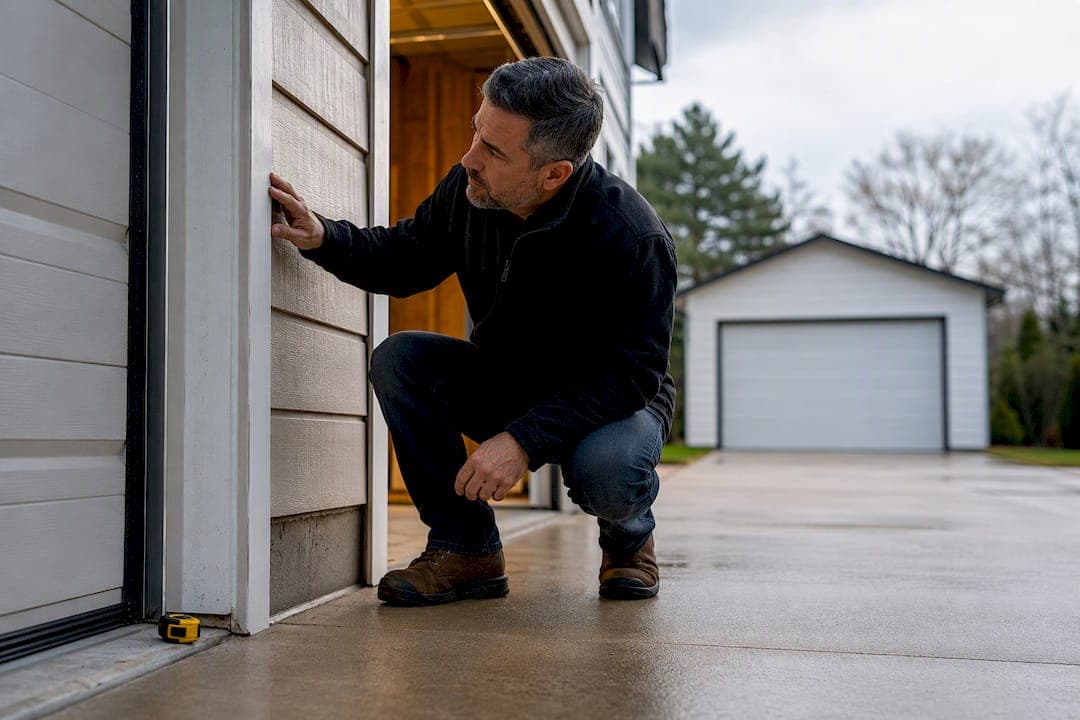
Your homeowners insurance garage door coverage kicks in when the damage comes from a covered peril, like wind, fire, or a vehicle crash, but not from rust, rot, or a spring that finally gave out after a decade of use. If your garage is attached, it's usually folded into your dwelling coverage. If it's detached, it typically falls under "other structures," which is often capped at 10% of your dwelling limit. Before you call your agent, get a repair estimate. It tells you whether filing is even worth it.
TL;DR:
- Garage door damage caused by wind, fire, lightning, falling objects, vandalism, or vehicle impact is typically covered, but damage from rust or wear usually isn't.
- Detached garages often have limited coverage under the standard 10% cap of your dwelling limit, which may be insufficient for larger or finished structures needing higher protection.
- Filing a claim is more likely to succeed if you have a documented cause and a repair estimate showing costs exceeding your deductible, especially for sudden damage.
- Wear, lack of maintenance, flooding, earthquakes, or intentional damage are excluded, so you should consider separate policies or avoid filing for such issues.
- Always get a professional repair estimate before filing, as it helps determine if the damage justifies the claim and can prevent unnecessary premium increases.
Table of Contents
- Homeowners Insurance Garage Door Coverage: Attached vs. Detached
- Which Perils Actually Trigger Garage Door Coverage?
- What Homeowners Insurance Won't Pay for on a Garage Door
- Deductibles, Coverage B Limits, and Your Actual Payout
- Should You File a Claim? A Decision Framework
- How to File a Garage Door Claim: The Step-by-Step Checklist
- Practical Repair and Claim Tips From a Local Perspective
- A Local Repair Pro's Perspective on Working With Insurers
- Get an Estimate Before You Call Your Insurer
- Sources
- FAQ
Homeowners Insurance Garage Door Coverage: Attached vs. Detached
The line between "covered" and "not covered" often comes down to where your garage sits, not just what broke; understanding your garage design and construction can affect both usable space and insurance classification.
An attached garage falls under Coverage A, the same dwelling coverage that protects your house's frame, roof, and walls. A detached garage falls under Coverage B, or "other structures," which pays for sheds, fences, and standalone buildings. Here's the catch: Coverage B commonly defaults to 10% of your dwelling limit. A dwelling policy may leave a limited amount to cover every detached structure on your property combined, garage included, which can be insufficient for larger or finished garages.
That gap matters more than most homeowners realize:
- A finished detached garage with drywall, electrical, or HVAC can cost far more than $25,000 to rebuild.
- A breezeway connecting the garage to the house can sometimes shift classification toward Coverage A. Ask your carrier directly.
- Workshops, home gyms, or converted living space inside a detached garage often push replacement costs past the standard cap.
If your detached garage is more than a place to park, ask your agent about raising that limit.
Which Perils Actually Trigger Garage Door Coverage?
Coverage depends entirely on cause, not just outcome. A dented, dysfunctional garage door might be covered or completely excluded depending on what caused the damage.
Most standard policies cover garage door damage from:
- Fire — including damage from smoke or firefighting efforts.
- Windstorm and hail — a common cause of dented panels and bent tracks in Colorado's front range.
- Lightning — direct strikes or power surges that fry opener circuit boards.
- Falling objects — a tree limb through the roofline or a branch that crushes a panel.
- Vandalism — spray paint, forced entry damage, or smashed panels.
- Vehicle impact — a car that clips the door backing out or pulling in.
Whether a claim gets approved often hinges on documentation, not just cause. A homeowner whose door was crushed by a windstorm-downed branch has a straightforward claim. A homeowner whose torsion spring finally snapped after 12 years of daily cycles almost never does. That second scenario reads as mechanical wear, and wear isn't a covered peril under any standard policy.
What Homeowners Insurance Won't Pay for on a Garage Door
Insurance covers sudden, accidental loss. It does not cover things that fail because they got old or because nobody maintained them.
Standard homeowners policies typically exclude:
- Wear and tear — worn rollers, stretched cables, or a spring that fatigues over years of normal use.
- Lack of maintenance — rust from a door nobody lubricated, or a track that warped from years of misalignment.
- Flood damage — standard policies exclude flooding outright; you need NFIP or private flood coverage for that.
- Earthquake damage — requires a separate policy or endorsement in most states.
- Business-related damage — if you run a business out of your garage, related losses often fall outside a standard homeowners policy.
- Intentional acts — damage a resident causes on purpose isn't covered, full stop.
If your situation touches any of these, don't waste time filing. Move straight to figuring out repair costs.
Deductibles, Coverage B Limits, and Your Actual Payout
The peril matters, but so does the math. Two homeowners with identical damage can walk away with very different checks depending on their deductible, their valuation method, and their Coverage B limit.

Say a windstorm knocks out your detached garage door. Repair and replacement run $2,200. Your deductible is $1,500. Insurance pays $700, minus whatever your adjuster deducts for depreciation if your policy pays actual cash value instead of replacement cost.
That distinction matters:
- Actual cash value (ACV) pays the depreciated value of the door, factoring in age and wear.
- Replacement cost value (RCV) pays what it costs to replace the door today, no depreciation subtracted.
- Many policies default to ACV unless you've added an RCV endorsement, which is worth checking before you ever need it.
And if your garage sits under Coverage B's 10% cap, a major loss on a finished detached structure can still leave you paying thousands out of pocket even with an approved claim.
Should You File a Claim? A Decision Framework
Not every broken door is worth a claim. Filing has real costs beyond the deductible, and running the numbers first saves you from a bad decision.
- Get a professional repair estimate first. You can't make a smart decision without knowing what the fix actually costs.
- Compare the estimate to your deductible. If repairs run close to or below your deductible, filing likely nets you nothing. It just lands on your CLUE report.
- Factor in premium impact. Filing a claim, even a small one, can raise your renewal premium and follows you for years on your claims history.
- Weigh the size of the loss. Major structural damage, theft, or repairs that clear your deductible by a wide margin usually justify filing.
Pro Tip: Call a repair company before your insurer. A same-day estimate from a local pro gives you a real number to compare against your deductible, instead of guessing.
How to File a Garage Door Claim: The Step-by-Step Checklist
A clean, well-documented claim moves faster and gets approved more often than one built on vague descriptions and no receipts.
- Secure the property. Board up openings and stop further damage or theft risk.
- Save every receipt. Insurers reimburse reasonable temporary repairs when you document the cost.
- Photograph and video everything before you touch or clean up the damage.
- Get a written repair estimate from a licensed technician.
- File a police report if vandalism or a hit-and-run vehicle impact is involved.
- Call your insurer and schedule an adjuster visit.
- Hand over your documentation and coordinate access between the adjuster and your contractor.
Practical Repair and Claim Tips From a Local Perspective
Springs and openers under tension are not a weekend DIY project. A torsion spring holds enough stored force to snap a wrist or worse, so know when to step back from a panel or hinge repair and call a licensed pro instead.
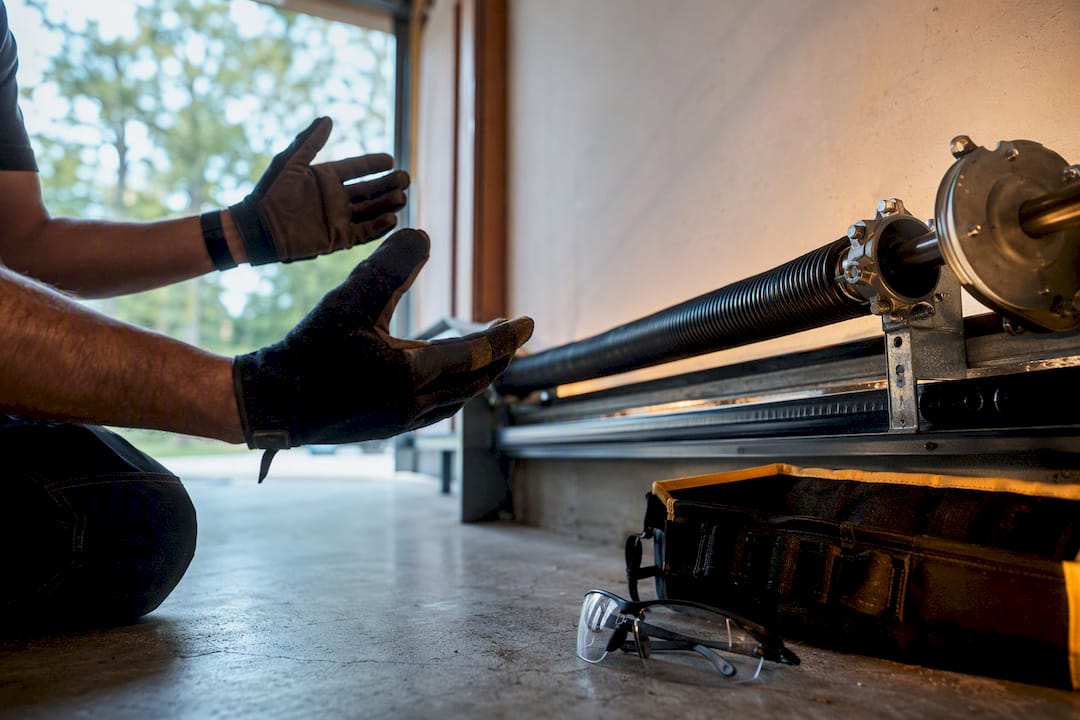
Repair costs generally fall into a few buckets: broken springs, opener failures, and damaged panels each carry different price ranges depending on the door and severity. Our guide on emergency garage door repair costs breaks those bands down in more detail.
Before you file anything with your insurer, check your warranty layers:
- Manufacturer warranty on the door panels or opener hardware.
- Installer warranty if the door was professionally installed within the last several years.
- Service warranty from whoever last repaired it.
Sometimes the warranty covers it outright, which saves you the deductible entirely.
A Local Repair Pro's Perspective on Working With Insurers
Insurers dig into maintenance history because a well-kept door tells a different story than a neglected one. Clear estimates, saved receipts, and quick access for the adjuster consistently shorten resolution time. Most homeowners end up covering the deductible themselves; insurance picks up the rest when the cause qualifies.
— Eddie
Get an Estimate Before You Call Your Insurer
Some local garage door repair companies can provide same-day, written estimates from technicians who have inspected the actual damage. That's the real advantage here. Instead of guessing at repair costs over the phone with your insurance company, you get an honest number first, then decide whether filing makes financial sense.

That speed matters when you're documenting a claim. The faster you have a written estimate in hand, the faster your adjuster has what they need to move your case forward. If your garage door needs a professional look, request an estimate through our services page and get a real number before you decide what to do next.
Sources
For the coverage fundamentals behind this guide, see Policygenius on garage coverage, MoneyGeek on detached garage limits, and Insure. For localized repair costs, read our breakdown on hail damage repair costs.
This article is general information, not a substitute for advice from a qualified financial advisor. Consult a qualified financial professional about your own circumstances before acting on anything here.
- Does home insurance cover garages? — Policygenius
- Does home insurance cover detached garages? — MoneyGeek
FAQ
What Are Three Things Not Covered by Homeowners Insurance?
Standard homeowners policies typically exclude flood damage, earthquake damage, and normal wear and tear or lack of maintenance. Garage door damage from rust, age, or a worn-out spring falls into that last category and almost never qualifies for a payout.
Does an Attached Garage Raise My Homeowners Insurance Premium?
An attached garage generally doesn't raise your premium more than a detached one, since both add square footage and rebuild cost to your policy. The bigger cost factor is usually the size, materials, and contents of the garage, not whether it's attached.
How Much Does It Cost to Replace an Existing Garage Door?
Replacement costs vary widely based on door material, size, and whether the opener needs replacing too. Our emergency repair cost guide breaks down typical price ranges for Northern Colorado homeowners.
Is My Garage Covered by Home Insurance?
Yes, in most cases, but the coverage type depends on whether it's attached or detached. Attached garages fall under Coverage A alongside your home, while detached garages fall under Coverage B, typically capped at 10% of your dwelling limit.