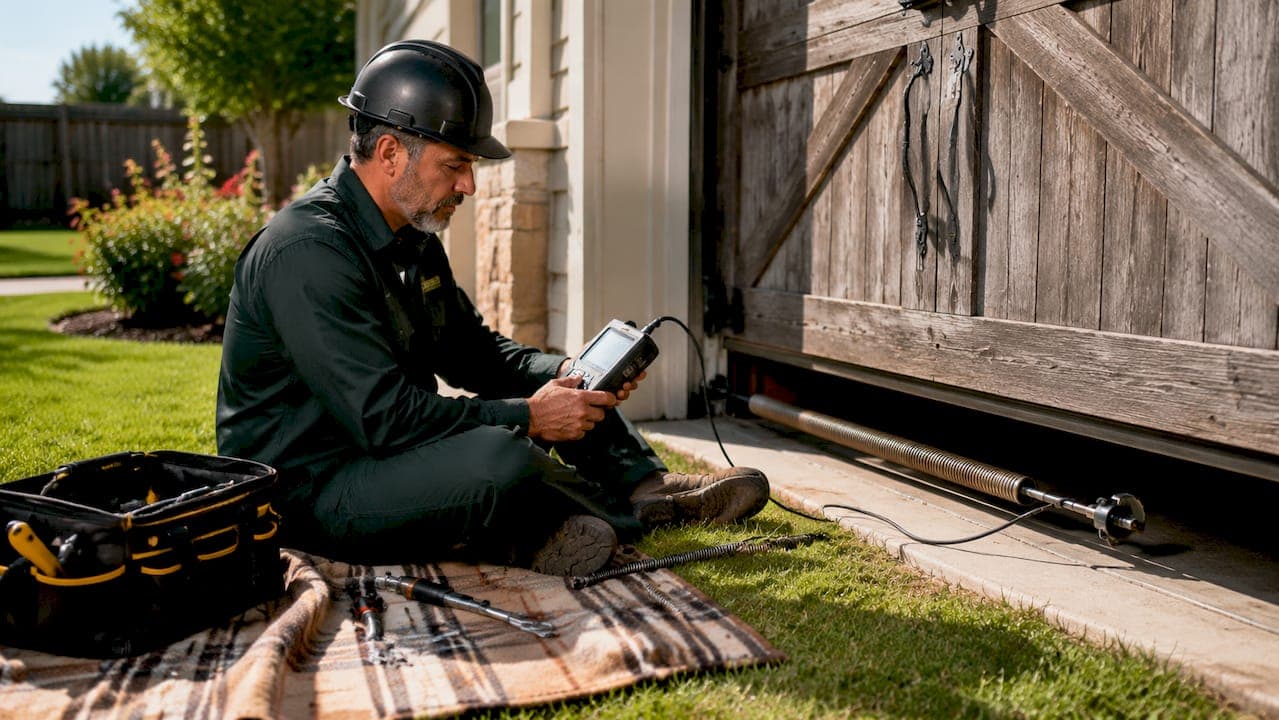
Diagnostic inspection is the process of systematically evaluating garage door components to identify hidden faults before they cause failure or safety risks. The industry term for this practice is "condition assessment," though homeowners know it simply as a professional inspection. The role of diagnostic inspection goes far beyond a quick visual check. It combines physical testing, sensor data, and technician judgment to catch problems like spring fatigue, misaligned tracks, and failing openers before they become expensive emergencies. Mikes garage doors Loveland runs this process on every service call, which is why 90% of their repairs get completed the same day.
How does diagnostic inspection work for garage doors?
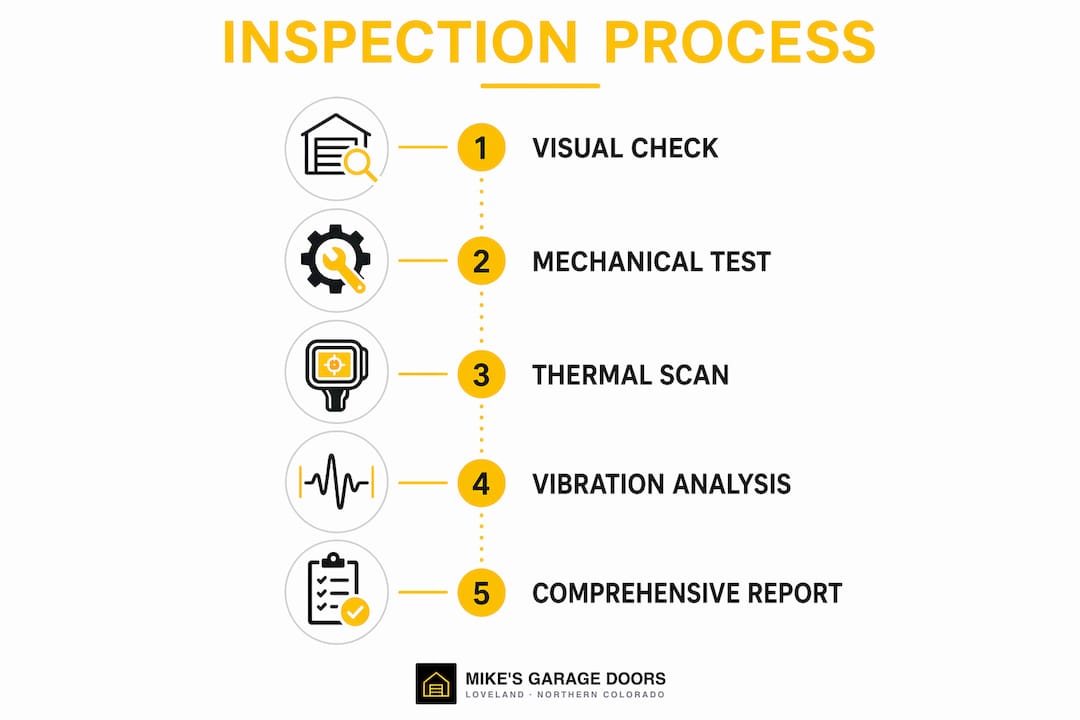
A thorough garage door inspection uses multiple methods working together. No single technique catches everything. Combining visual checks with advanced non-invasive testing creates the most accurate picture of your door's condition.
Here is how each method contributes:
- Visual inspection: The technician examines panels, cables, rollers, and tracks for wear, rust, cracks, or misalignment. This is the starting point, not the finish line.
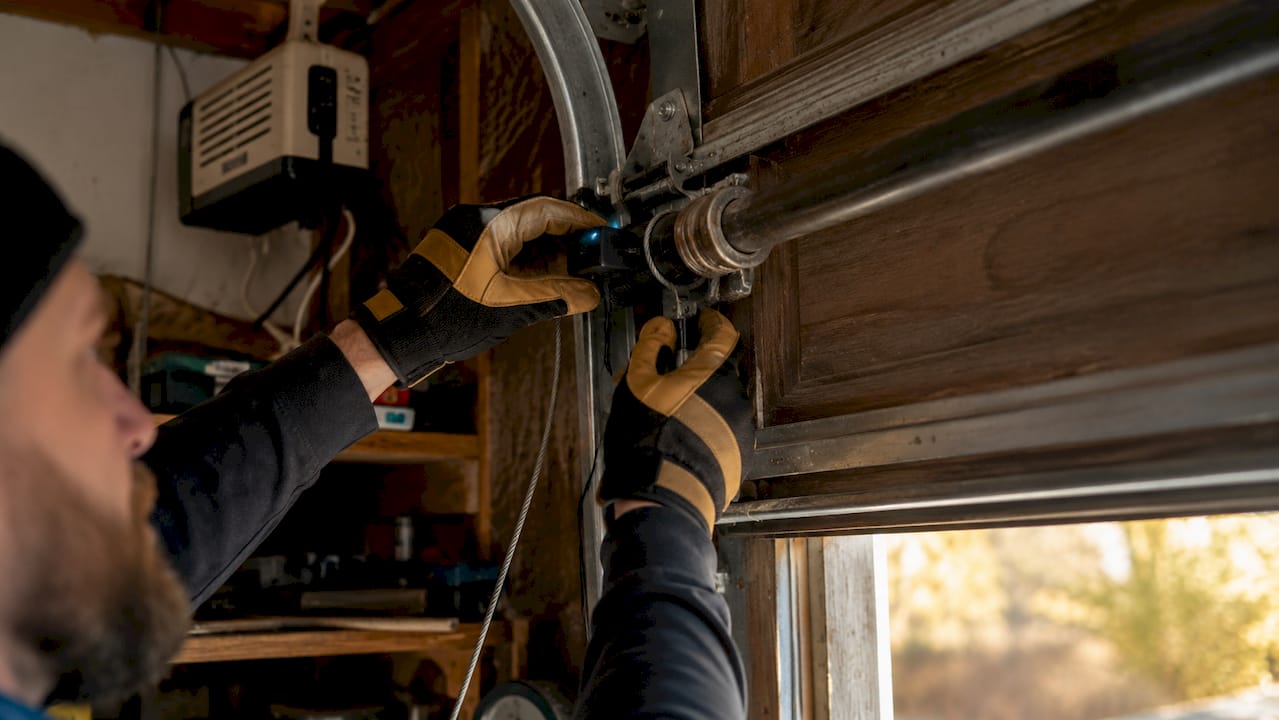
- Mechanical testing: The door is cycled through open and close sequences while the technician listens and feels for grinding, hesitation, or uneven movement. A door that sounds like gravel in a dryer has a roller or track problem.
- Infrared thermal imaging: This tool detects temperature differences across components. Thermal imaging reveals heat and moisture patterns that signal overheating motors or water intrusion behind panels. The image shows the symptom, not the cause, so physical follow-up is always required.
- Vibration analysis: Sensors measure how components move during operation. Abnormal vibration patterns in a torsion spring or opener motor point to fatigue or imbalance before any visible damage appears.
- Sensor and safety feature testing: Photo-eye sensors, auto-reverse mechanisms, and limit switches all get tested against manufacturer specifications.
Diagnostic success depends on pairing technology with experienced technician judgment. A vibration reading means nothing without a technician who knows what normal looks like for that specific door model and age. The tool collects data. The technician interprets it.
Pro Tip: Ask your technician to explain what each tool found, not just what they plan to fix. A good inspector walks you through the data, not just the bill.
What makes an effective diagnostic inspection for garage doors?
Not all inspections deliver the same value. The difference between a thorough inspection and a surface-level check comes down to detection capability, not just coverage.
The industry standard for inspection effectiveness uses a concept called Probability of Detection, or POD. An effective inspection achieves a POD of 70% or higher for the specific failure type being assessed. That means the method reliably finds the problem it is designed to find, at least 7 times out of 10.
Here is what separates a quality inspection from a checkbox exercise:
- Method matched to damage type. A visual check finds surface rust. It will not find a hairline crack in a torsion spring coil. The right tool must match the right failure mode. Shear-wave ultrasound, for example, detects internal fatigue cracks that visual checks miss entirely.
- Comprehensive sampling of high-risk parts. Springs, cables, and opener drive systems carry the most mechanical stress. A quality inspection spends the most time on these components.
- Detailed written reporting. Inspection reports must describe what was examined, the damage type, its location, and its extent. A report that says "door checked, okay" tells you nothing useful.
- Transparent, upfront findings. The technician should explain findings in plain language before any repair work begins.
| Inspection element | Why it matters |
|---|---|
| POD above 70% | Confirms the method reliably detects the target failure |
| Method-to-damage matching | Prevents missed faults from using the wrong tool |
| Written damage report | Creates a record for follow-up and third-party review |
| High-risk component focus | Springs and cables cause the most dangerous failures |
High inspection coverage without real detection capability misleads homeowners about their door's true condition. A technician who checks every panel but misses a cracked spring cable has not done a good inspection. Coverage and detection are not the same thing.
Pro Tip: Before booking an inspection, ask the company what specific failure types their methods are designed to detect. If they cannot answer that question, keep looking.
What are the benefits of regular diagnostic inspection for homeowners?
The benefits of diagnostic inspection are concrete and financial, not just theoretical. Proactive maintenance costs significantly less than waiting for a complete breakdown. A broken torsion spring that gets caught during a routine check costs a fraction of the emergency repair bill that follows a sudden failure at 7:00 AM on a workday.
Here are the practical advantages homeowners and property managers gain from regular inspections:
- Early fault detection. Catching spring fatigue or bearing wear early prevents cascading damage to cables, drums, and opener motors. One small fix prevents three larger ones.
- Improved safety. A garage door weighs up to 400 pounds. A failing spring or frayed cable turns that weight into a serious hazard. Regular inspection catches these risks before they become injuries.
- Lower long-term costs. Replacing a worn roller costs about $15. Replacing a bent track and damaged panel after a roller failure costs ten times that.
- Asset longevity. Doors that receive regular condition assessments last years longer than neglected ones. Lubricated, balanced, and properly tensioned systems wear evenly.
- Peace of mind. Property managers with multiple units especially benefit. A documented inspection record shows due diligence and reduces liability exposure.
"Educating property owners about the importance of diagnostic inspections helps them view these checks as investments in safety and longevity rather than extra costs. Service professionals stress client awareness as crucial to inspection uptake and effectiveness." — The Importance of Regular Diagnostics and Inspections
The homeowners who skip inspections are not saving money. They are deferring a larger bill. A door that gets checked annually rarely surprises its owner with a catastrophic failure.
How to implement diagnostic inspections for your garage door
Knowing the significance of diagnostic inspections is one thing. Putting them into practice is another. The good news is that the process is straightforward when you know what to schedule and what to ask.
Recommended inspection frequency:
- Once per year for residential doors with normal daily use
- Twice per year for doors used more than 8–10 times daily, or in high-humidity environments like Northern Colorado winters
- Immediately after any visible damage, unusual noise, or sudden change in door behavior
Signs you need an inspection now, not later:
- The door hesitates, jerks, or moves unevenly during operation
- You hear grinding, popping, or scraping sounds
- The door reverses unexpectedly or fails to close fully
- Cables look frayed or springs look stretched or gapped
- The opener runs but the door does not move
You can review 9 signs your door needs repair to check your specific situation against a detailed list.
Questions to ask your technician before the inspection starts:
- What specific failure types does your inspection method detect?
- Will I receive a written report with findings and locations?
- Do you use any non-invasive tools like thermal imaging or vibration analysis?
- What is your process if you find a safety-critical issue during the inspection?
A good resource for preparing is this guide on questions to ask your technician before any service visit. Data-driven diagnostics that track performance trends over time reduce guesswork and allow more accurate root-cause analysis. Ask whether your technician keeps a service history for your door. That record is worth more than any single inspection report.
Key Takeaways
A diagnostic inspection is the single most cost-effective action a homeowner or property manager can take to prevent garage door failures, reduce repair costs, and maintain safety.
| Point | Details |
|---|---|
| Inspection combines multiple methods | Visual, mechanical, thermal, and vibration testing together catch what any single method misses. |
| POD above 70% defines effectiveness | The method must reliably detect the target failure type, not just cover the surface area. |
| Written reports are non-negotiable | A quality inspection produces a detailed record of what was found, where, and how severe. |
| Early detection saves real money | Catching spring fatigue or worn rollers early prevents cascading damage and emergency repair costs. |
| Annual inspections are the minimum | Most residential doors need at least one professional condition assessment per year. |
Why I think most homeowners underestimate what a real inspection involves
After years of working on garage doors across Northern Colorado, the pattern I see most often is this: homeowners assume that because the door opens and closes, everything is fine. That assumption is the most expensive mistake in residential maintenance.
A door can operate normally for months while a torsion spring is losing tension, a cable is fraying at the drum, or an opener motor is running hot. None of those problems announce themselves until they fail completely. By then, the repair cost is three to five times what it would have been with early detection.
The other thing I have noticed is that homeowners often confuse a technician showing up with a technician actually inspecting. Walking around the door and eyeballing the panels is not a diagnostic inspection. Real inspection uses the right tools for the right failure types, produces a written report, and gives you specific findings you can act on.
Technology has made this easier. Thermal cameras and vibration sensors give technicians data that was simply unavailable ten years ago. But the technology only works when the technician knows how to interpret it. That combination of good tools and experienced judgment is what separates a real inspection from a sales visit dressed up as a service call.
Invest in the inspection. It is the cheapest insurance your garage door will ever have.
— Eddie
Trusted garage door inspection services in Loveland, CO
Mikes garage doors Loveland provides professional diagnostic inspections for homeowners and property managers across Northern Colorado. Every inspection covers springs, cables, rollers, tracks, openers, and safety sensors, with transparent findings explained before any repair work begins.

The team completes 90% of repairs the same day, and every service call starts with a free estimate over the phone. Veterans receive a 10% discount on all services. Whether you need a routine annual check or a same-day response to a failing door, you can review the full range of garage door services in Loveland and book directly online. Mikes garage doors Loveland backs every repair with extensive warranties, so you know the work is done right the first time.
FAQ
What is diagnostic inspection for a garage door?
Diagnostic inspection is a systematic evaluation of all garage door components, including springs, cables, rollers, tracks, and openers, using visual checks, mechanical testing, and non-invasive tools to identify faults before they cause failure.
How often should I schedule a garage door inspection?
Most residential doors need a professional inspection at least once per year. Doors used more than 8–10 times daily or exposed to harsh weather conditions benefit from two inspections per year.
What is the difference between a visual check and a full diagnostic inspection?
A visual check identifies surface-level issues like rust or panel damage. A full diagnostic inspection adds mechanical cycling, thermal imaging, vibration analysis, and sensor testing to detect hidden faults that visual checks miss entirely.
How do I know if my garage door needs an inspection now?
Unusual sounds like grinding or popping, uneven movement, unexpected reversals, or visible fraying on cables are all signs that your door needs an inspection immediately rather than at the next scheduled interval.
What should a good inspection report include?
A quality inspection report describes every component examined, identifies the type and location of any damage found, and rates the severity. That level of detail lets you prioritize repairs and gives you a record for future reference.