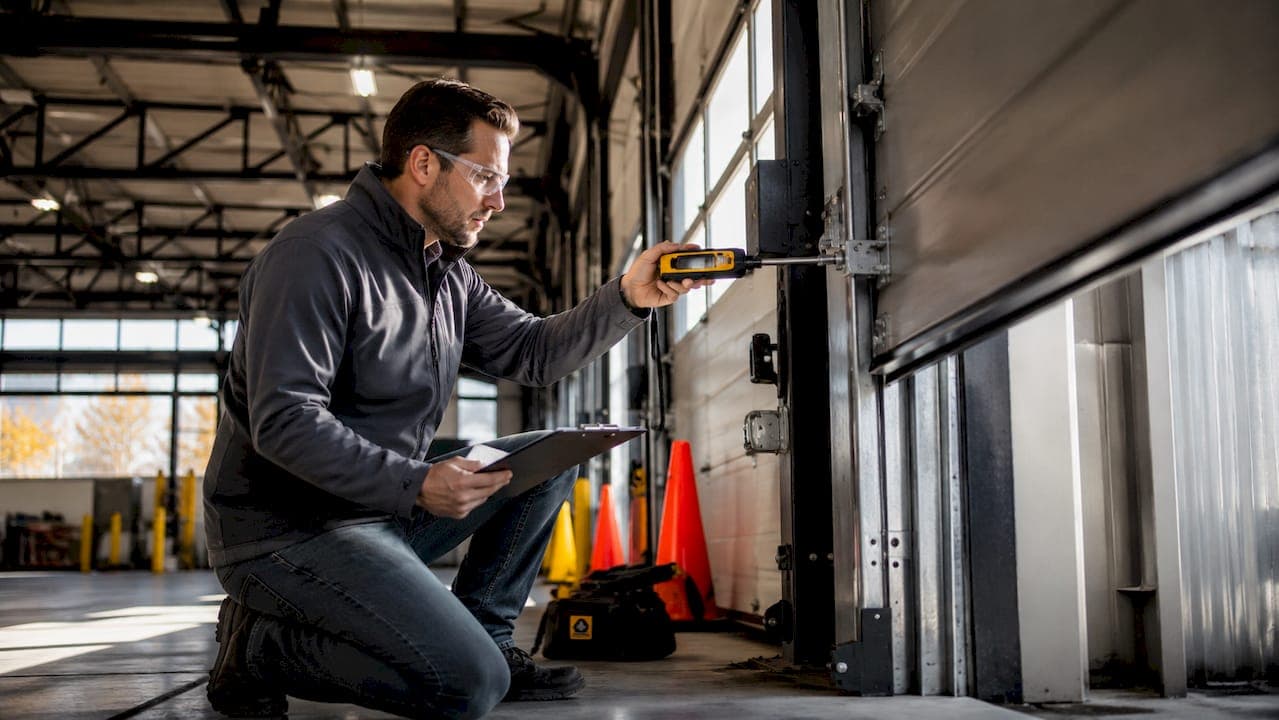
The emergency door breakaway feature is defined as a mechanical system that allows sliding or folding doors to swing outward manually during an emergency, creating a full-width, unobstructed exit path. In the industry, you'll hear it called a "breakout device" or "emergency release." The function is the same: when a fire, power outage, or evacuation hits, the door stops sliding and pivots open like a traditional swinging door instead. Building codes like the International Building Code (IBC) and NFPA 101 require this feature in many commercial occupancies. Knowing what it does and why it matters can protect your property, your people, and your legal standing.
What is the emergency door breakaway feature and how does it work?
The breakaway feature works by releasing the door panel from its sliding track so it can pivot outward on hinges or breakout hardware. Under normal operation, the door slides left or right as usual. In an emergency, a person pushes against the door with enough force, and the panel breaks free from its locked sliding position and swings open. That single motion transforms a narrow sliding path into a full-width opening, which is exactly what you need when a crowd is trying to exit fast.
The force required to activate the breakout is tightly regulated. Opening force must not exceed 50 pounds of force, measured 1 inch from the leading edge of the door. That threshold matters because it means children, elderly adults, and panicked crowds can all push through without special training or tools. A door that requires 80 or 100 pounds to break out is a liability, not a safety feature.
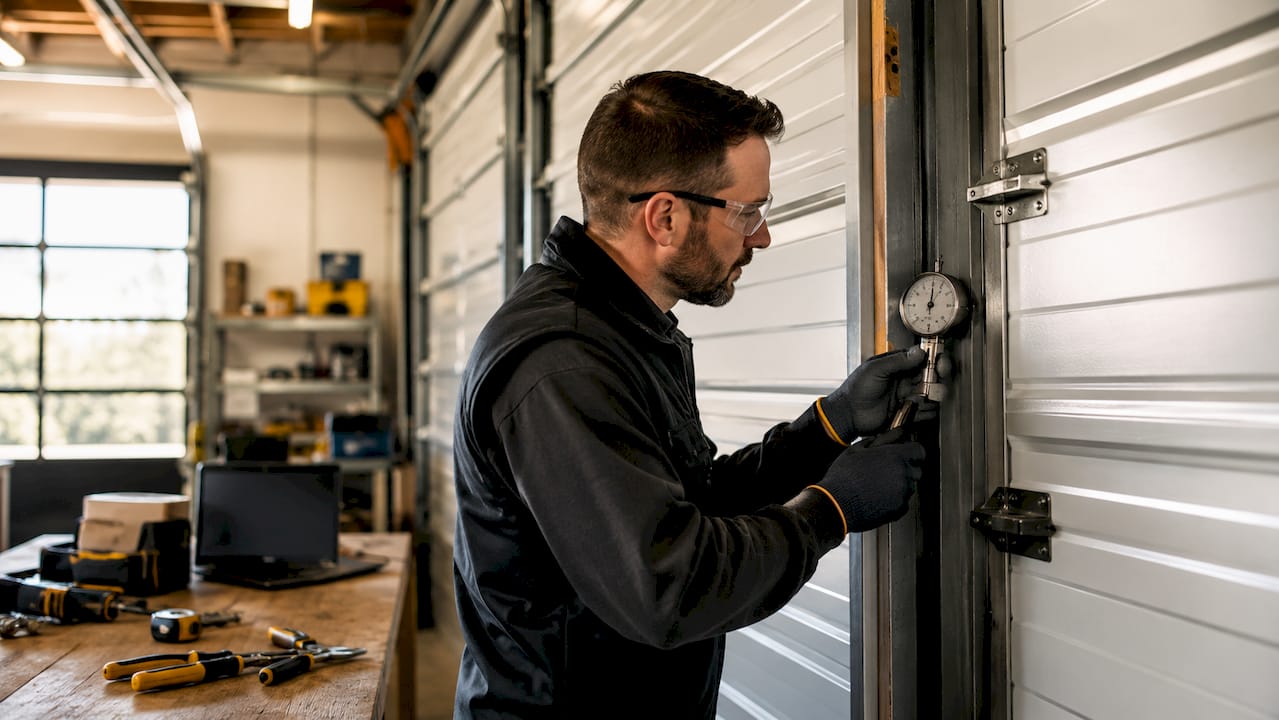
Automation adds another layer of protection. The instant breakout activation begins, contact switches cut power to the door motor immediately. This prevents the motor from fighting against the person pushing through and eliminates the risk of electrical damage during the emergency. The door becomes a passive, manual exit the moment the breakout triggers.
Key code requirements at a glance
| Requirement | Standard/Detail |
|---|---|
| Maximum opening force | 50 lbf at 1 inch from leading edge (IBC/NFPA 101) |
| Occupancy threshold | Required for assembly spaces with 50+ occupants |
| Applicable door types | Automatic sliding and folding doors |
| Motor behavior during breakout | Immediate power cutoff via contact switches |
| Signage (where required) | "In Emergency Slide to Open" or equivalent |
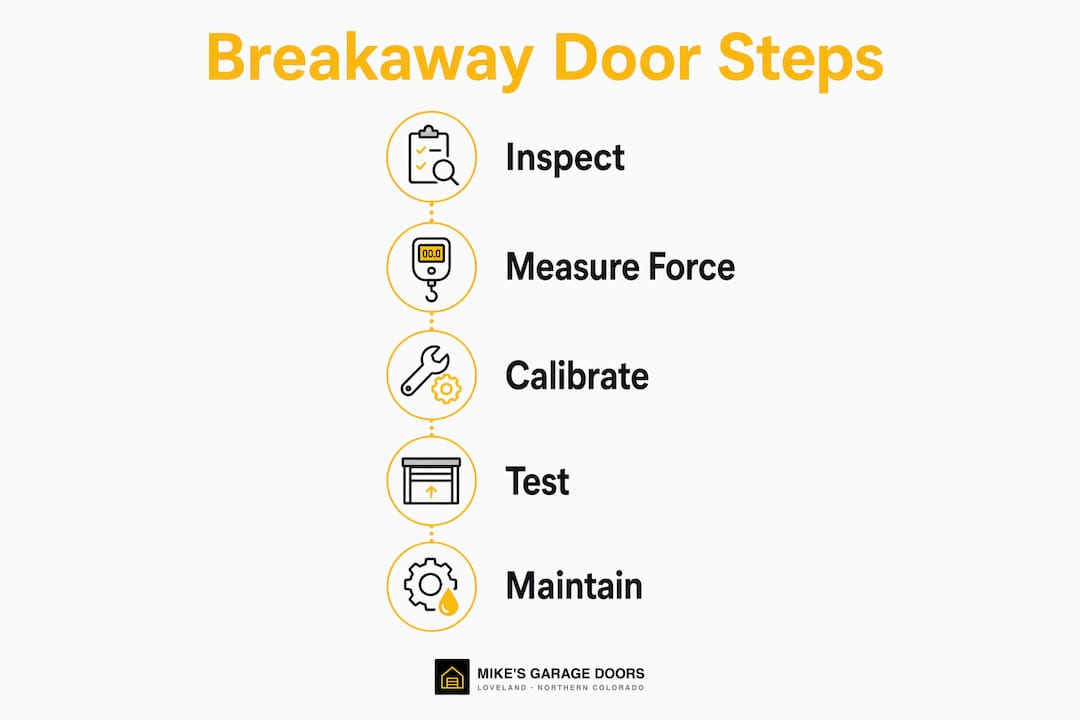
Pro Tip: Test your breakaway door's activation force annually with a push-pull gauge. If the reading creeps above 40 lbf, schedule a professional adjustment before it reaches the 50 lbf code limit.
How does breakaway differ from panic hardware?
Owners frequently confuse breakaway devices with panic hardware, and that confusion leads to wrong installations. Breakaway devices and panic hardware both provide emergency egress through a single motion, but they operate on completely different door types and mechanisms.
Here is how each one works and where it applies:
- Breakaway devices apply to automatic sliding and folding doors. The panel physically pivots outward from the sliding track. No push bar is involved. The egress path opens because the door itself changes direction.
- Panic hardware (also called push bars or crash bars) applies to traditional swinging doors. Pushing the bar retracts the latch and releases the door. The door was already designed to swing; the hardware just makes it single-motion operable.
- Sliding doors in assembly occupancies with 50 or more people require breakaway mechanisms under NFPA 101 and EN 16005 standards. Panic hardware alone does not satisfy this requirement on a sliding door.
- Swinging doors in high-occupancy spaces require panic hardware, not a breakaway device. Installing a breakaway system on a swinging door is redundant and does not meet code intent.
- Mixed-use buildings often need both. A hospital lobby with automatic sliding entry doors needs breakaway hardware. The stairwell fire doors in the same building need panic bars. Each door type gets the right hardware for its design.
The practical takeaway: the door type drives the hardware choice. Get this wrong and you face code violations, failed fire inspections, and real legal exposure. A licensed door professional can confirm which system your specific doors require.
What are the practical benefits of breakaway doors beyond emergencies?
The safety case for breakaway doors is clear, but the operational benefits are what make building owners genuinely glad they installed them. Hospitals and shopping malls use breakaway sliding doors specifically because the wide opening they create makes moving large equipment, gurneys, carts, and oversized deliveries far easier than any standard sliding door allows.
Here is a practical breakdown of the operational advantages:
- Wide clearance for equipment. When a breakaway door pivots fully open, it creates a clear opening equal to the full door width. Standard sliding doors only open to half their panel width. That difference matters when you're moving a hospital bed, a commercial refrigerator, or a pallet of supplies.
- Automation safety during breakout. The motor cuts out instantly when breakout begins, so there is no mechanical resistance fighting the person pushing through. This protects both the person and the door hardware from damage.
- Accessibility compliance. The low force threshold required by IBC and NFPA 101 means the door is usable by virtually everyone, which supports ADA accessibility goals beyond just emergency egress.
- Reduced bottlenecks during high-traffic events. Retail stores and event venues can manually swing the door open during peak hours to create a wider entry, then return it to automatic sliding mode afterward.
Pro Tip: After any manual breakout activation, whether during a drill or a real event, have a technician inspect the breakout hinges and contact switches before returning the door to automatic operation. Skipping this step is how small misalignments turn into costly repairs.
Maintenance is where most owners fall short. Inappropriate adjustment of breakout sensitivity causes two opposite problems: set it too loose and you get false breakouts during normal use; set it too tight and the door becomes dangerously hard to open in an actual emergency. Neither outcome is acceptable. Professional calibration is the only way to stay in the safe zone between those two failure modes. Learn more about preventive door maintenance to keep your system dialed in year-round.
What compliance steps do owners need to take?
Code compliance for breakaway doors is not a one-time checkbox. It requires ongoing attention to local rules, occupant load counts, signage, and inspection schedules. The IBC and NFPA 101 set the baseline, but your local Authority Having Jurisdiction (AHJ) has the final word on what applies to your building.
Key compliance steps every owner should follow:
- Verify your occupant load. Local code officials may exempt breakaway requirements for doors serving 10 or fewer occupants. If your space grows and crosses that threshold, the exemption no longer applies.
- Consult your local AHJ. Model codes are starting points. Your AHJ can impose stricter requirements or grant specific exemptions based on building use, location, and occupancy type. Never assume the model code is the final answer.
- Post required signage. Some jurisdictions require "In Emergency Slide to Open" labels on breakaway doors. Missing signage is a common citation during fire inspections. Check your local requirements and post labels where inspectors and occupants can see them.
- Schedule annual inspections. Breakaway hardware includes hinges, contact switches, and release mechanisms that wear over time. An annual professional inspection catches wear before it becomes a failure. Review garage door safety codes for a broader picture of what inspectors look for.
- Document everything. Keep records of inspections, adjustments, and any breakout activations. Insurance carriers and fire marshals both ask for this documentation. Missing records can complicate claims and renewals.
- Act on repair urgency. A breakaway door that fails to activate or activates falsely is not a minor inconvenience. It is a life safety failure. Treat any malfunction as urgent. Mikes garage doors Loveland handles commercial door repair urgency with same-day service in most cases.
Key Takeaways
The emergency door breakaway feature is a life safety system that requires correct installation, calibrated force settings, and regular professional maintenance to function when it counts most.
| Point | Details |
|---|---|
| Core function | Breakaway doors pivot outward manually, creating a full-width emergency exit from a sliding door. |
| Force limit | Opening force must not exceed 50 lbf to stay code-compliant and usable by all occupants. |
| Hardware distinction | Breakaway devices apply to sliding doors; panic hardware applies to swinging doors. Never swap them. |
| Operational benefits | Wide openings serve daily equipment movement, not just emergency evacuation. |
| Compliance is ongoing | Consult your local AHJ, post required signage, and schedule annual professional inspections. |
Why I think owners underestimate this feature
Most owners I talk to treat the breakaway feature as a box to check during installation and then forget about it. That is the wrong approach, and it creates real risk.
The part that surprises people most is the motor cutoff. They assume the door will fight back during a breakout because it is automated. When I explain that contact switches kill the motor instantly, they realize the system was designed with the human in mind, not the hardware. That changes how they think about maintenance. If those contact switches degrade, the motor does not cut out, and suddenly your safety feature becomes a hazard.
The other misconception I see constantly is that breakaway doors are only for big commercial buildings. That is not true. Any property with an automatic sliding door and significant foot traffic should evaluate whether a breakout system applies. The breakout sliding door technology has become more accessible and more affordable than most owners expect.
My honest advice: do not wait for a fire inspection to find out your door does not meet code. Get a professional to test the activation force, inspect the hinges, and verify the motor cutoff is working. That one service call is worth more than any amount of after-the-fact scrambling.
— Eddie
Garage door safety services in Loveland, CO
If you have an automatic sliding door, a commercial entry, or a garage door with emergency release hardware, Mikes garage doors Loveland can inspect and service it. The team handles breakaway system checks, force calibration, contact switch testing, and full door repairs, with 90% of jobs completed the same day.
Mikes garage doors Loveland serves homeowners and business owners across Northern Colorado with upfront phone estimates and no surprise charges. Veterans receive a 10% discount on all services. Whether you need a routine inspection or an urgent repair, the garage door services page covers everything available in Loveland and the surrounding area. Call today to confirm your breakaway system is ready when it needs to be.
FAQ
What is a breakaway feature on an automatic door?
A breakaway feature is a mechanical system that allows an automatic sliding or folding door to pivot outward manually during an emergency. It creates a full-width exit path without requiring power or special tools.
What force is required to activate a breakaway door?
The maximum allowable opening force is 50 pounds of force, measured 1 inch from the door's leading edge, per IBC and NFPA 101 standards.
Do all automatic sliding doors need a breakaway feature?
Not all doors require it. Assembly occupancies with 50 or more people generally require breakaway mechanisms, but local AHJs may exempt doors serving 10 or fewer occupants. Always verify with your local code official.
What is the difference between a breakaway device and panic hardware?
Breakaway devices apply to sliding and folding doors and allow the panel to pivot outward. Panic hardware uses a push bar to retract a latch on a swinging door. Each system is designed for a specific door type and is not interchangeable.
How often should a breakaway door be inspected?
Annual professional inspections are the standard practice. Technicians check activation force, breakout hinges, contact switches, and motor cutoff function to confirm the system meets current code requirements.